Industry insights
Solar lead management: from site survey to installation
Track every rooftop solar lead through seven stages, from enquiry and site survey to quote, PM Surya Ghar papers, installation and net metering.
Written by The iCRM team
Published 7 min read
- 7 stages From enquiry to net meter
- 48 hours To book the site survey
- ₹78,000 cap Central subsidy, 3 kW and above
- 500 kW Net metering limit, 2021 rules
On this page
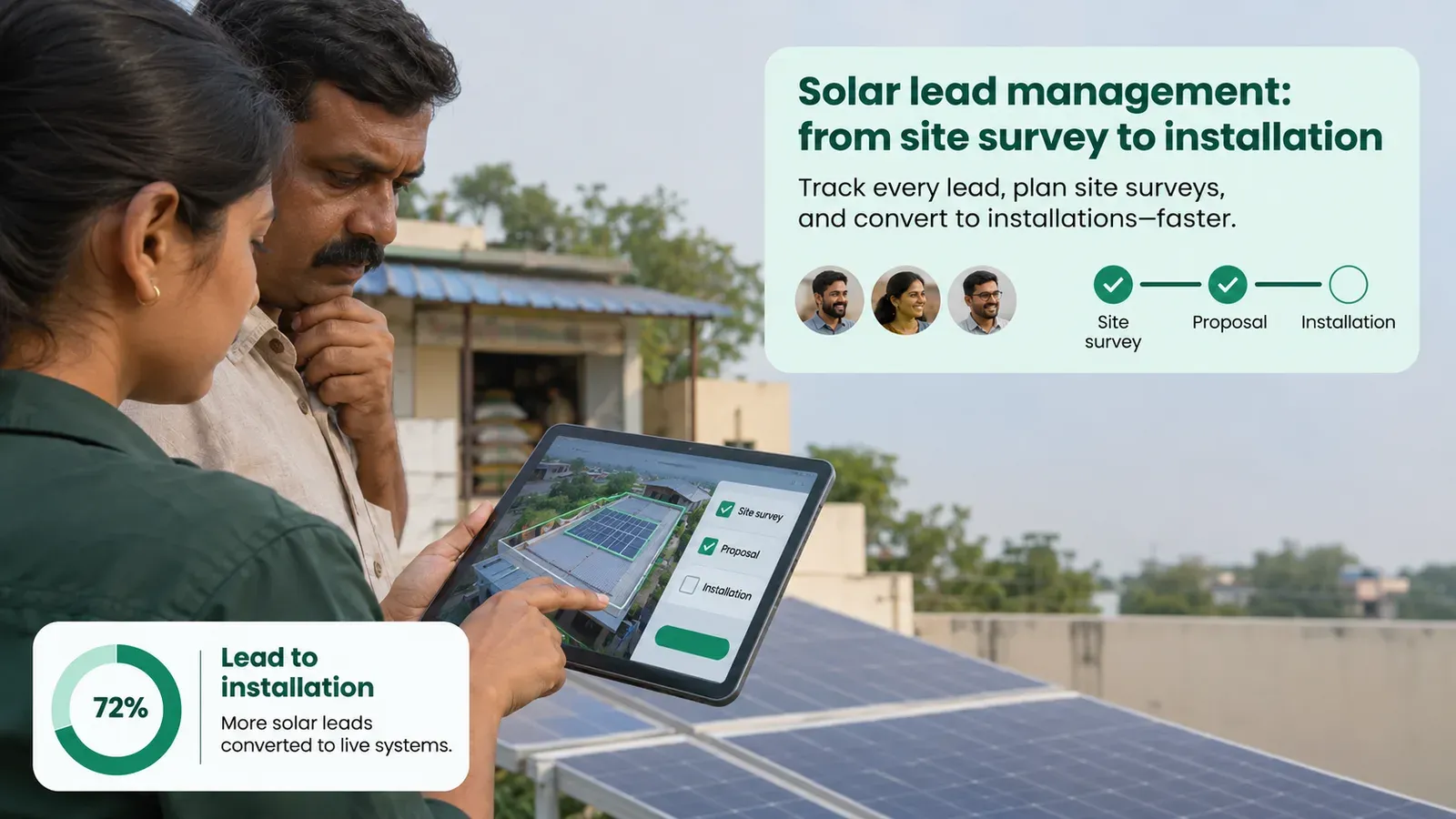
Most rooftop solar leads in India are lost between the site survey and the booking. The customer liked the visit, but the quote came late, the subsidy felt confusing and nobody called back. Good solar lead management fixes this by giving every lead a clear stage, one owner and a next date, from the first enquiry to the day the net meter is fitted.
Key takeaways
- Split the sale into seven stages and move every lead through them in order.
- Book the site survey within two days of the enquiry, while interest is high.
- Send the quote soon after the survey and walk the customer through it on a call.
- Treat the PM Surya Ghar and DISCOM papers as part of the sale, with a checklist for each lead.
- Keep the customer updated after booking. A well run installation brings referrals.
What are the stages of a rooftop solar sale?
A home rooftop sale has more steps than most trades. Each one is a point where a lead can stall. Name them, and agree what has to be true before a lead moves on.
| Stage | What happens | Ready to move on when |
|---|---|---|
| 1. Enquiry | Call, form, WhatsApp or walk-in | Name, phone, location and monthly bill noted |
| 2. Site survey | Roof, shade, load and wiring checked | Survey notes and photos saved on the lead |
| 3. Quote | System size, price, GST and payment terms | Quote sent and a call booked to explain it |
| 4. Booking | Customer agrees and pays the advance | Advance received and papers list shared |
| 5. Subsidy and DISCOM papers | Portal application and approvals | Every document collected and submitted |
| 6. Installation | Panels, inverter, wiring and earthing | Work checked against the install checklist |
| 7. Net metering and handover | Inspection, net meter, subsidy claim | Net meter fitted and customer handed over |
A lead that has sat in one stage for longer than you expect is a lead to call today.
How fast should you reach a new solar lead?
A household that asks about solar has usually just seen a high bill or heard about the subsidy from a neighbour. They may ask two or three installers in the same week. The first to call back and book a visit often wins the job.
Aim to call the same day and book the survey within 48 hours. Before you go, ask for a photo of the latest electricity bill and the roof. This tells you the sanctioned load and the likely system size, so the survey only has to confirm what you already know.
A first reply that works
Thank you for asking about rooftop solar. Could you send a photo of your latest electricity bill? I will call you this evening to book a free site survey.
Why leads stall between survey and quote
The survey is the most expensive step for you: a person, a vehicle and half a day. It is also where many installers lose the lead. The usual reasons are simple.
- The quote takes a week because the surveyor’s notes sit in a phone or a notebook.
- The quote shows a total but not the subsidy, so the price looks too high.
- Nobody calls to explain it, so the customer compares on price alone.
Write the quote while the survey is fresh. Show the system size, the price, the GST, the central subsidy the customer may claim and what they pay after it. Then book a short call to go through it line by line.
The subsidy and DISCOM papers
Under PM Surya Ghar: Muft Bijli Yojana, the central subsidy for homes is ₹30,000 per kW for the first 2 kW and ₹18,000 for the third kW, capped at ₹78,000 for 3 kW and above. Some states add their own. The household applies on the national portal and chooses a registered vendor there. The subsidy is paid into the customer’s bank account after the system is installed, inspected and the net meter is fitted.
Customers often need help with this part, and it is where a booked job can slow down for weeks. Keep a papers checklist on each lead.
| Document or step | Who provides it | When |
|---|---|---|
| Latest electricity bill | Customer | At enquiry |
| Portal registration and application | Customer, with your help | After booking |
| Feasibility approval from the DISCOM | DISCOM | Before installation |
| Installation details and photos | Installer | After installation |
| Net meter application and inspection | Customer and DISCOM | After installation |
| Commissioning report | DISCOM | After inspection |
| Bank details for the subsidy | Customer | Before the claim |
The exact names and order differ by state and by DISCOM. Net metering is allowed under the Electricity (Rights of Consumers) Amendment Rules, 2021 for loads up to 500 kW or the sanctioned load, whichever is lower, but each state regulator writes its own regulations. Check your DISCOM’s current steps and keep them as your template.
Quotes, GST and getting paid
The GST Council cut the rate on renewable energy devices, including solar power generating systems, from 12% to 5% from 22 September 2025. A supply and install contract also has a service part, which has its own treatment. Ask your tax adviser how to show GST on your quotes and invoices, and put your GSTIN and the customer’s details on every invoice.
Agree the payment stages in the quote: for example an advance at booking, a payment when the material reaches site and the balance at handover. Record each payment as it arrives. If you buy from MSME suppliers, remember that the MSMED Act sets a limit of 45 days for paying them where a credit period is agreed.
Keeping customer data safe
A solar lead holds personal details: name, phone, address, electricity bill, bank details for the subsidy and photos of the home. The Digital Personal Data Protection Act, 2023 asks businesses to collect such data for a clear purpose and protect it. Keep these papers in one place with the lead, share them only with the people working on the job and avoid passing bills and bank details around in personal chat groups.
Doing it in iCRM
- Lead management. Every enquiry, from calls, forms or walk-ins, goes on one list with its owner and its status.
- Sales pipeline. Each lead moves through your stages, so you can see who is waiting for a survey, a quote or a booking, and spot leads that have gone quiet.
- Calendar and task management. Book site surveys and follow-up calls with a date and a person, so nothing waits on memory.
- Estimates and proposals. Work out the panels, inverter, structure and labour, then turn the figures into a proposal with your scope, price and terms.
- Tax management and invoicing. Set your GST rates once, apply them to quotes and invoices, and keep every invoice with its customer.
- Payment tracking. See which stage payments are paid, part-paid or still due.
- Checklists. Keep a papers checklist for the subsidy and a site checklist for each installation.
- Project management and staff management. Run each booked job as a project with its dates and team.
- Offline mode. Update the job on a roof with a poor signal.
- Customer portal and document sharing. Share the quote and papers with the customer in one place instead of scattered messages.
A solar lead management checklist
- Every enquiry is logged with the bill, location and an owner.
- The site survey is booked within 48 hours.
- Survey notes and photos are saved on the lead.
- The quote shows price, GST, subsidy and the net amount.
- A call is booked to explain every quote.
- Every booked job has its papers checklist.
- The DISCOM steps for your area are written down and kept current.
- Stage payments are recorded as they arrive.
- Customer bills and bank details stay with the lead, not in chat groups.
- The customer gets an update at every stage until the net meter is fitted.
Sources
- Cabinet approves PM-Surya Ghar: Muft Bijli Yojana (Press Information Bureau)
- PM Surya Ghar national portal
- FAQs on the decisions of the 56th GST Council (Press Information Bureau)
- Electricity (Rights of Consumers) Amendment Rules, 2021 (India Environment Portal)
- Digital Personal Data Protection Act, 2023 (MeitY)
- The MSMED Act, 2006 (Ministry of MSME)
Related articles
-
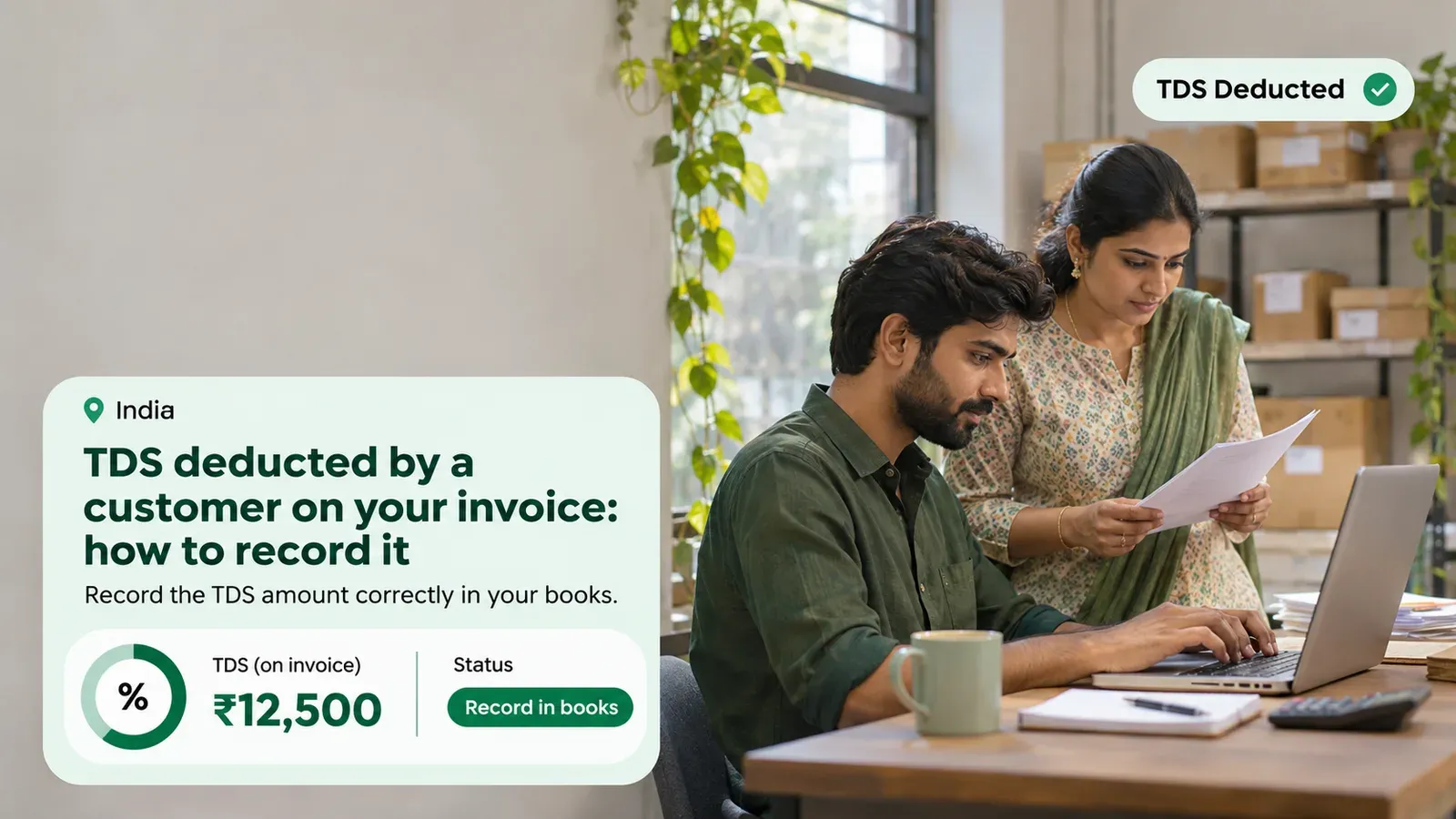
TDS deducted by a customer on your invoice: how to record it
When a customer deducts TDS, record the bank receipt and the TDS as two parts of one payment, then tick the TDS off against your annual tax statement.
- Checklist
- 3 tables
- 6 questions answered
-
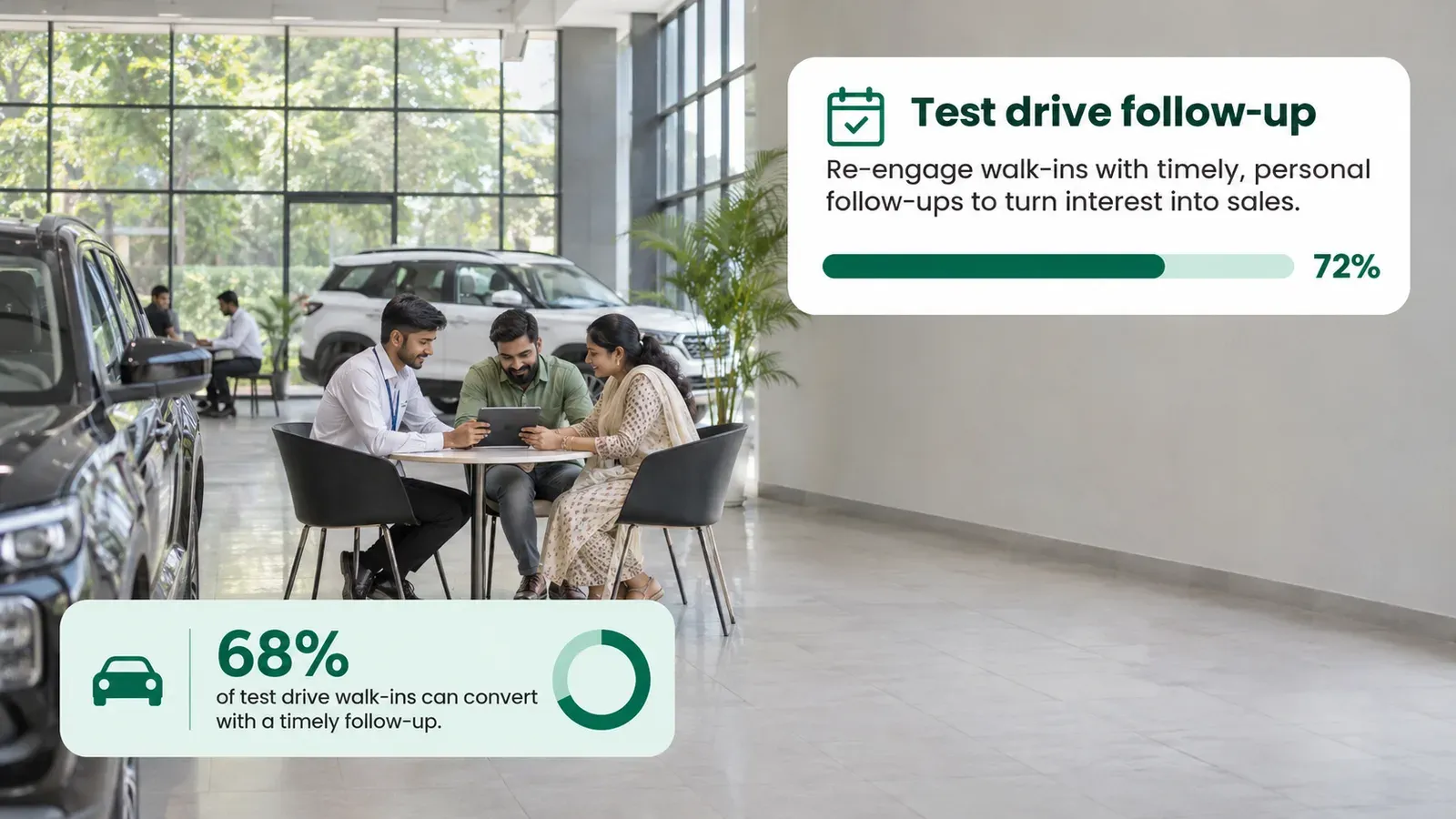
Test drive follow-up tips to turn walk-ins into sales
Call the same day, send a clear on-road price, sort the finance papers early and fix the next visit before the buyer leaves the showroom.
- Checklist
- 2 tables
- 5 questions answered
-
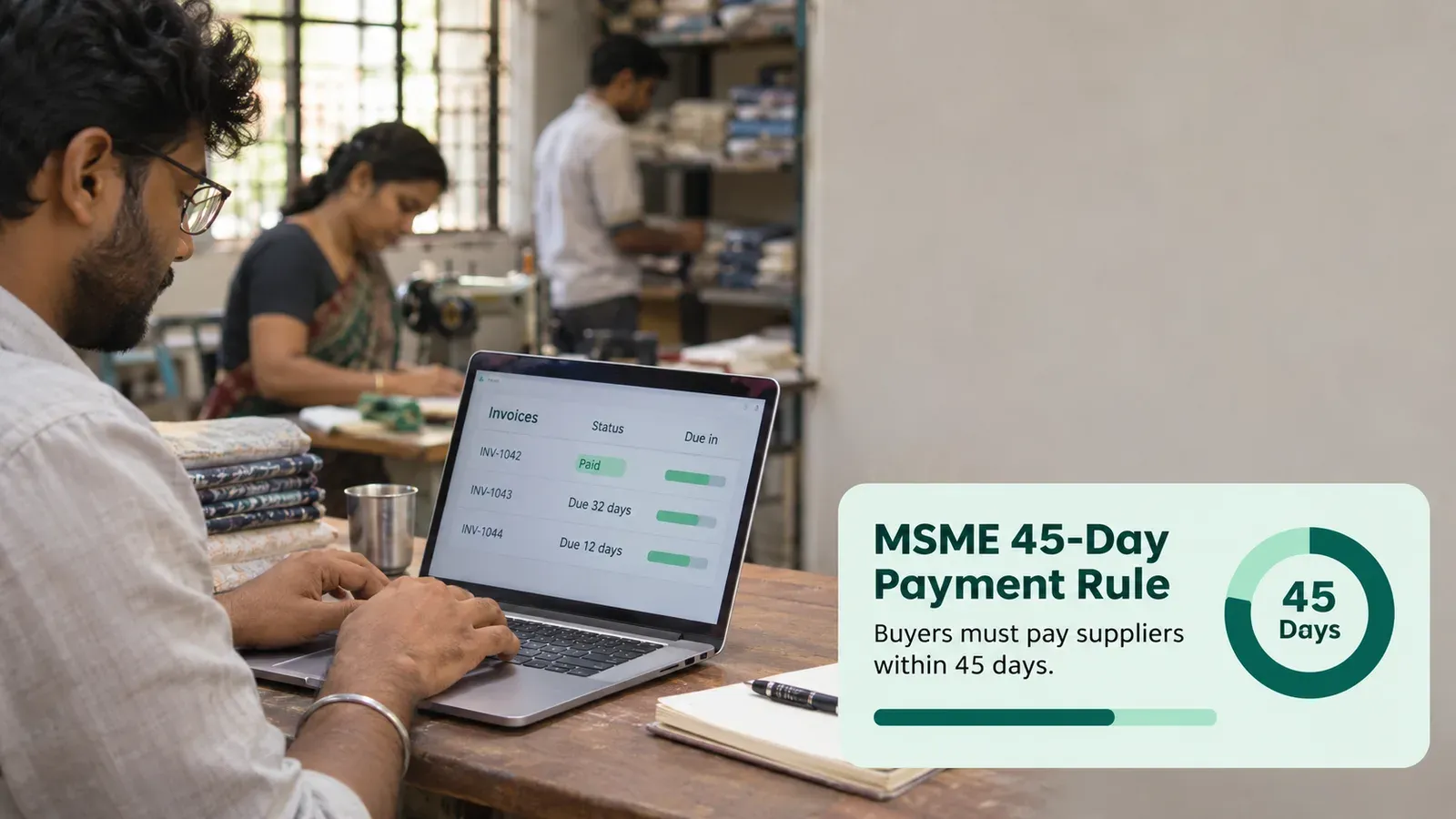
Part 1: The MSME 45-day payment rule explained for suppliers
Buyers must pay a registered micro or small supplier within 15 days, or up to 45 days if agreed in writing, or lose the tax deduction for that cost.
- Checklist
- 2 tables
- 6 questions answered
Recognized with numerous awards
Support, security, uptime and results, with the figures behind each badge.












FAQ
Frequently asked questions
Straight answers to what people ask most about iCRM.
Set up for your industry
Pick yours and its features come ready.
- Farm Businesses
- Automotive Dealers
- Consulting Firms
- Online Retail
- Education Institutes
- Energy Companies
- Financial Services
- Healthcare Clinics
- Hospitality Businesses
- Law Firms
- Logistics Companies
- Manufacturing Companies
- Media Agencies
- Nonprofit Organisations
- Real Estate
- Technology Companies
-
What is solar lead management?
It is the way an installer keeps track of every rooftop solar enquiry, from the first call through the site survey, quote, subsidy papers and installation, so each lead always has an owner, a stage and a next date.
-
Why do solar leads drop off after the site survey?
Usually because the quote takes too long, nobody calls back to explain it, or the customer is unsure about the subsidy. Send the quote within a few days of the survey and book a call to walk through it.
-
How much is the PM Surya Ghar subsidy for a home rooftop system?
The central subsidy is ₹30,000 per kW for the first 2 kW and ₹18,000 for the third kW, capped at ₹78,000 for systems of 3 kW and above. Some states add their own subsidy. Always check the current figures on the national portal.
-
Who applies for the subsidy, the customer or the installer?
The household registers and applies on the national portal and chooses a registered vendor there. In practice the installer usually helps the customer with the papers, so track each document as part of the lead.
-
Is net metering available for every rooftop system?
The 2021 consumer rules allow net metering for loads up to 500 kW or the sanctioned load, whichever is lower, but each state regulator sets its own rules. Check your DISCOM's process before you promise dates.
-
What GST applies to a rooftop solar installation?
The GST Council cut the rate on renewable energy devices from 12% to 5% from 22 September 2025, and supply and install contracts have their own rules for the service part. Confirm the treatment for each contract with your tax adviser.
Get started with iCRM
Leads, quotes, work, invoices and payments in one app, set up for the way your industry works.
- 99% Uptime guarantee
- ISO ISO-aligned security
- 24/7 Response support
- GDPR GDPR compliant
- SSL SSL encrypted
-
16
Industries Each with its own features
-
47
Features Across those industries
-
11
Areas of work From leads to payments
-
3
Editions India, France and UAE